
Colorado Rain Barrel Laws & Why Rainwater Harvesting Matters During Drought

Updated: Mar 12
Colorado’s Drought Makes Water Conservation More Important Than Ever
Colorado is no stranger to drought conditions. In recent years, dry winters, reduced snowpack, and hotter summers have placed increased pressure on the state’s water supply. Communities across the Front Range are constantly monitoring reservoir levels and water usage, and many cities already enforce seasonal watering restrictions.
Depending on weather conditions, additional water restrictions can become necessary during the summer months. These restrictions may limit how often homeowners can water lawns or gardens.
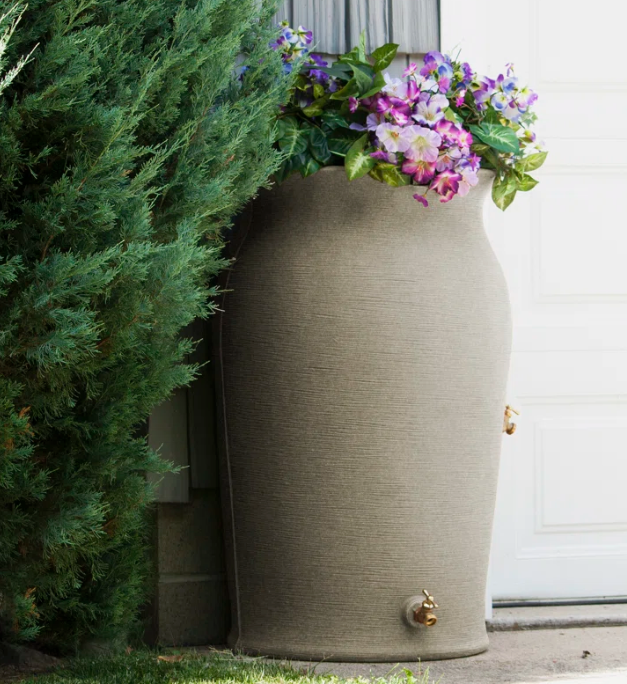
Because of this, many homeowners are looking for simple ways to conserve water while still keeping their landscaping healthy. One of the easiest and most effective ways to do this is by installing a rain barrel system to collect rainwater from your roof.
Rainwater harvesting allows homeowners to capture free water from storms and reuse it to support gardens, plants, and landscaping.
Are Rain Barrels Legal in Colorado?
For many years, collecting rainwater was not allowed in Colorado because of the state's complex water rights laws. However, legislation that passed in 2016 changed the rules. Colorado homeowners are allowed to collect rainwater from their roofs in rain barrels for outdoor irrigation, according to guidance from the Colorado Division of Water Resources.
Colorado rain barrel laws allow homeowners to:
Install up to two rain barrels per property
Store a combined total of 110 gallons
Collect rainwater from rooftop downspouts
Use the water only on the same property
Use the water for outdoor irrigation only
This means homeowners can legally collect rainwater to water plants, gardens, lawns, and landscaping.
Why Rainwater is Great for Your Garden
Rainwater is often better for plants than treated tap water. When rain falls naturally, it contains fewer chemicals and salts than municipal water.
Rainwater is naturally:
• Free of chlorine and water treatment chemicals
• Slightly oxygenated as it falls through the air
• Naturally balanced for soil health
Because of this, gardeners often notice plants growing stronger and healthier when watered with collected rainwater.

Rainwater is especially beneficial for:
Vegetable gardens
Flower beds
Shrubs and landscaping
Potted plants
Lawn areas
Capturing rainwater also helps reduce stormwater runoff and supports responsible water use in your community.
Why Every Homeowner Can Make a Difference
When drought conditions occur, water conservation becomes a shared responsibility. While a single rain barrel may not seem like much, thousands of homeowners collecting rainwater can significantly reduce the demand on municipal water systems. Colorado State University Extension also provides educational resources explaining how rain barrels help homeowners conserve water and manage roof runoff responsibly.
Every roof collects water during storms. Instead of letting that water run directly into storm drains, homeowners can store it and reuse it for their landscape.
Small steps like rainwater harvesting help protect Colorado’s long-term water supply while keeping your yard healthy and green.
Preparing for Possible Summer Water Restrictions
While no one can predict exactly what weather Colorado will experience each summer, drought conditions mean water restrictions are always a possibility.
Installing a rain barrel now means:
• You have a backup water source for plants
• You reduce reliance on municipal water
• Your landscaping stays healthy during restrictions
• You contribute to community water conservation
Rain barrels are a simple step that can make a big difference.
Next Week: How to Install a Rain Barrel in Colorado
In next week’s blog, we’ll discuss:
How rain barrels connect to your gutter system
Proper downspout installation methods
Winterizing your rain barrel for Colorado’s freezing temperatures
Why professional installation can protect your home

Comments