
Solar Panel Cleaning Denver CO: Why Solar Panels Need Cleaning During Drought Years

If you’ve installed solar panels in the Denver area, you’re expecting them to produce clean, efficient energy year-round. But here’s something many homeowners don’t realize:
👉 Solar panels need cleaning—especially in Colorado’s dry, dusty, drought conditions.
In fact, during years with little rain, cleaning your solar panels can make a noticeable difference in performance and energy savings.
Do Solar Panels Need Cleaning in Denver CO?
Yes—and more often than you might expect.
According to the U.S. Department of Energy, maintaining your solar energy system is essential for long-term performance. That includes keeping panels free of dirt, dust, and debris that block sunlight.
In Denver, we face unique challenges:
Low annual rainfall compared to other regions
Frequent wind carrying dust and debris
Construction and dry soil contributing to airborne particles
Seasonal wildfire smoke and pollution
All of this leads to buildup on your panels that does not rinse off easily on its own.
Solar Panel Cleaning Benefits During Drought Years in Colorado

During drought years, the need for solar panel cleaning increases significantly.
The National Renewable Energy Laboratory has found that dirt and debris—known as soiling—can reduce solar panel efficiency by 10–20% or more depending on conditions.
At the same time, the Energy Saving Trust explains that solar panels often rely on rainfall to naturally wash away buildup.
👉 Here’s the problem: Denver doesn’t get enough consistent rain to do that—especially in drought conditions.
So instead of being cleaned naturally, your panels:
Collect dust from dry air
Hold onto pollen and debris
Develop a film from pollution and smoke
How Denver’s Dust, Dry Air, and Pollution Affect Solar Panel Efficiency
Denver’s environment creates the perfect conditions for dirty panels:
1. Dry Air Means No Natural Rinse
Rainfall is inconsistent, and when it does rain, it’s often not enough to fully clean panels.
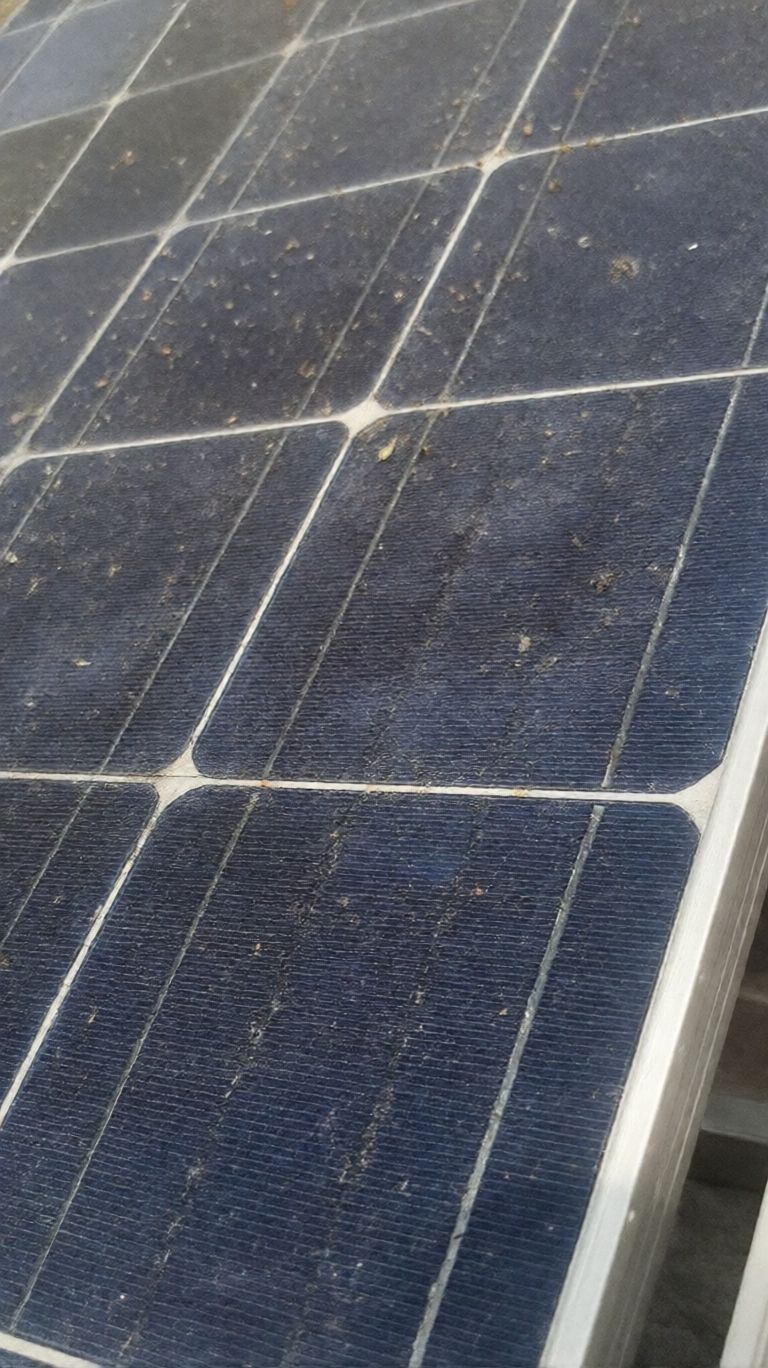
2. Dust and Wind Are Constant
Colorado’s winds carry fine dust that settles and sticks to panel surfaces.
3. Pollution and Smoke Leave Residue
The Environmental Protection Agency notes that airborne particles can accumulate on surfaces—creating a film that reduces light penetration.
The American Lung Association tracks the latest air conditions in your area. All you have to do is enter your zip code to get an accurate reading on your air quality and what it is doing to your lungs. The Environmental Protection Agency notes that airborne particles can accumulate on surfaces, contributing to reduced solar efficiency over time. Think about it what you are breathing is also settling on your car, home, and solar panels.
👉 The result: less sunlight reaching your panels = less energy production.
How Much Energy Do Dirty Solar Panels Lose?
Scientists at the National Renewable Energy Laboratory (NREL) are studying the dusty soiling problem withIn Denver and other urban environments, according to the National Laboratory of the Rockies. Even a light layer of dust can impact performance.
Typical estimates:
5–10% loss from light dust
10–20% loss in dry climates like Colorado
Higher losses with pollen, bird droppings, or heavy buildup
That’s especially important during summer when your system should be producing at its peak.
When Should You Clean Solar Panels in Denver?
For most homeowners in the Denver metro area

:
1–2 cleanings per year minimum
After heavy pollen season (spring)
After wildfire smoke events
During extended dry or drought conditions
Anytime panels appear hazy or visibly dirty
💡 If your panels don’t look shiny, they’re likely not performing at 100%.
Is Solar Panel Cleaning Worth It in Colorado?
Yes—especially during dry years.
Cleaning your panels:
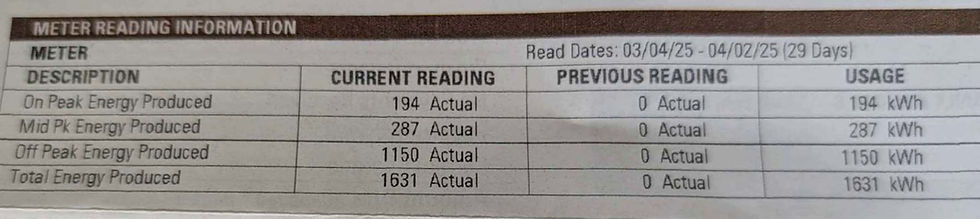

Restores energy production
Maximizes your return on investment
Prevents long-term buildup that becomes harder to remove
While panels are often marketed as “low maintenance,” they are not maintenance-free, especially in climates like ours.
Professional Solar Panel Cleaning vs DIY
Homeowners can clean panels themselves, but there are risks:
Slippery roof conditions
Scratching glass with improper tools
Hard water spots if rinsed incorrectly
Potential warranty concerns
Professional cleaning ensures:
Proper equipment (soft brushes, purified water)
Safe roof access
No damage to panels or roofing
What This Means for Denver Homeowners
This year—and others like it—highlight the issue clearly:
Less rain = more buildup
More dust = longer-lasting efficiency loss
More pollution = harder-to-remove residue
👉 In drought conditions, solar panel cleaning isn’t optional—it’s performance recovery.
Coming Next: Solar Panel Maintenance Series
This is part of an ongoing series to help homeowners protect their investment.
👉 Over the next two blogs, we’ll cover:
How to keep your Solar Panels safe from birds and squirrels.
How adding solar panels can change your drainage system.
FAQ: Solar Panel Cleaning Denver CO
Do solar panels need cleaning in Colorado?
Yes. Dust, pollen, and pollution build up quickly in Denver’s dry climate.
Will rain clean solar panels?
Not effectively. Light rain often leaves residue and doesn’t remove stuck debris. Think how your car often looks dirtier after a light rain.
How do I know if my panels need cleaning?
Look for haze, visible dust, or reduced energy output.
How often should solar panels be cleaned in Denver?
Typically 1–2 times per year, more during drought or heavy dust seasons.
Trusted Resources on Solar Panel Maintenance
U.S. Department of Energy
National Renewable Energy Laboratory
Energy Saving Trust


Comments